Category > PsychologyPosted 12 Oct 2017My Price10.00
read the brief article posted below
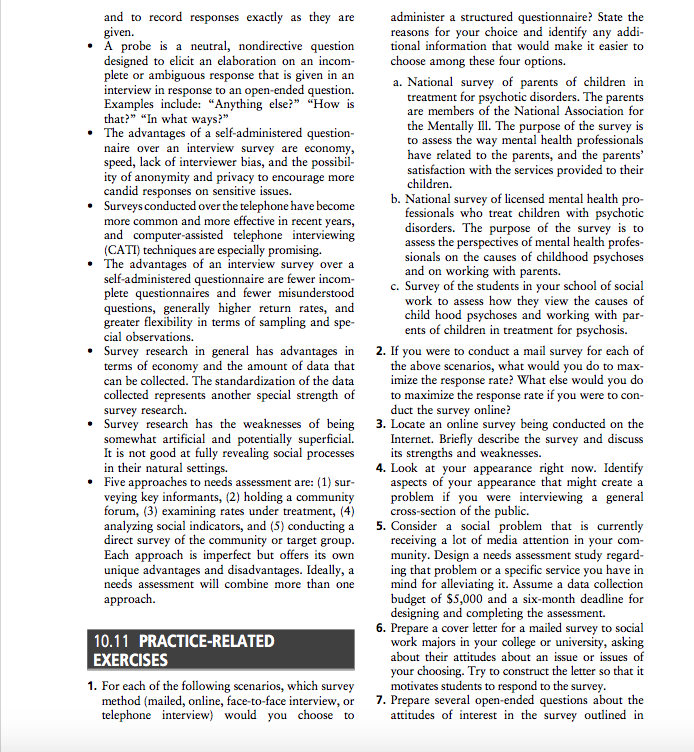
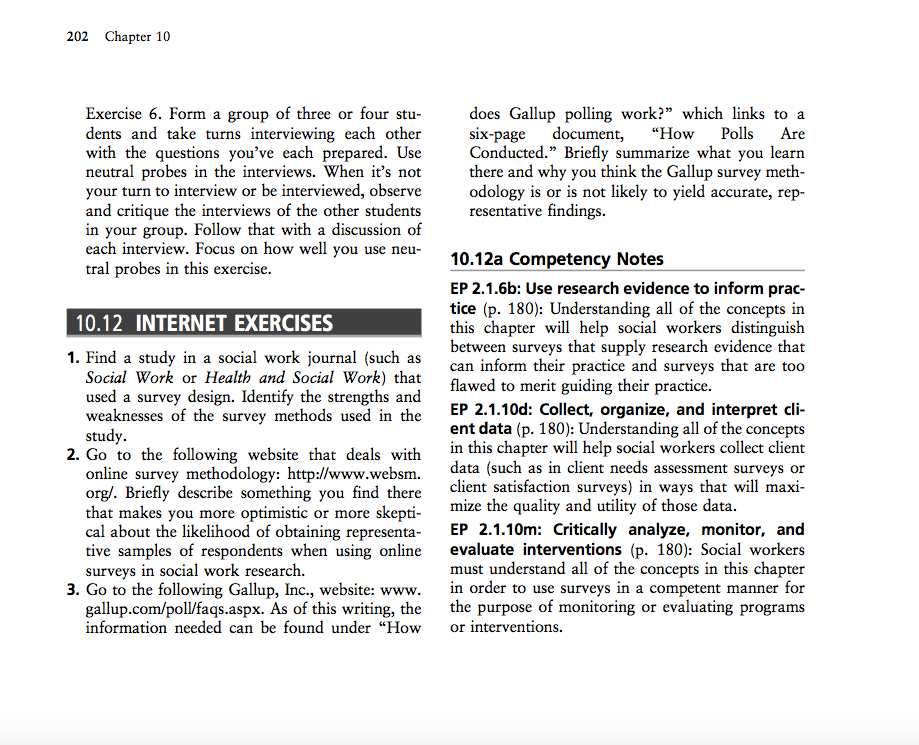
please do the exercises that uploaded in the attachment.
For the remaining questions of this exam, you will read the brief article posted below and then respond to the questions that follow.Tommy's December birthday creates a quandary for his parents: Which year should he start kindergarten? If they enroll him in kindergarten the year he turns Fve, he will be one of the youngest children in the class. If they wait a year, he will be one of the oldest. Which is better?Older is better, advise Zvia Breznitz and Tamar Teltsch, professors in the School of Education at the University of Haifa in Israel. These researchers base their opinion on a study of 137 children the researchers identiFed as early starters or late starters.Early starters are the youngest kindergartners: They start school at age four and turn Fve during their kindergarten year. Late starters are the oldest. These Fve year olds turn six between January and March of their kindergarten year.The children were tested as Frst-graders and then again as fourth-graders. In both grades, late starters scored higher on reading and mathematics achievement than did early starters. But academic achievement is only part ofthe story. The older children felt less anxiety and had higher self esteem than the younger children. Later starters were also more popular with their classmates than early starters.Although age does not determine any child's success, the research makes a strong case for giving your child the advantage of being the oldest in the class.Write a response to the following prompts.Q1. Write a research question that might have been used in this study.Q2. Write a hypothesis that might have been used for this study.Q3. List the independent and one or more dependent variables in this study.Q4. What might be some extraneous variables in this study?Q5. List some undeFned concepts mentioned in this article.