SuperTutor
$15/per page/Negotiable
CASE STUDY: Sara and Mary
GENDER
AGE F ▪ 2 months old SETTING ▪ Hospital
ETHNICITY ▪ White American
CULTURAL CONSIDERATIONS
PREEXISTING CONDITIONS ▪ Preterm birth
COEXISTING CONDITIONS
SIGNIFICANT HISTORY
COMMUNICATION
DISABILITY
SOCIOECONOMIC ▪ Middle class
SPIRITUAL
PHARMACOLOGIC ▪ Acetaminophnen (Tylenol) Erythromycin lactobionate (Erythrocin IV)
PSYCHOSOCIAL ▪ Maternal anxiety
▪ Husband is out of town
LEGAL
ETHICAL
ALTERNATIVE THERAPY
PRIORITIZATION
DELEGATION ▪ Yes ▪ Yes THE RESPIRATORY SYSTEM
Overview: This case requires knowledge of communicable disease, increased risk of infection secondary to
preterm birth, intravenous therapy, as well as mother-child attachment relationship. Client Profile
Sara and Mary are 2 month old twins born at 35 weeks' gestation and weighing
2,272 g (81.1 oz) and 2,300 g (82.1 oz), respectively. They remained hospitalized
for 4 weeks to gain weight and were discharged to home weighing 2, 600 g (92.8
oz). They are scheduled to see the health care provider to begin their
immunizations at 10 weeks of age. The twins' mother has taken an extended
maternity leave to remain home with the twins until they are 4 months old.
Case Study
The twins' mother, Fran, noted that both infants, 9 weeks of age, had “runny
noses” when she picked them up from daycare. The twin's father left at 5:00 A.M.
for a 5 day business trip and at 6:00 A.M., Fran heard them both coughing. Their
coughs sounded dry; however, when she checked them, they both had runny noses
and felt warm to the touch. She took their temperatures; Sara's was 37.8° C (100°
F) and Mary's was 38° C (100.4° F). She administered 15 mg/kg of
acetaminophen. This lowered the temperatures to 37.4° C (99.3° F) and 37.5° C
(99.25° F), respectively; however, they continued to cough. Three hours later,
both girls began exhibiting a high-pitched whooping sound when inhaling during
their coughing attacks. When Fran noted the girls experienced brief apneic
periods during their coughing spells and appeared "bluish" in color, she phoned
her pediatrician and was told to go to the nearest emergency department. The
girls were admitted to the pediatric nursing unit with a diagnosis of "rule out
pertussis". Sara's leukocyte count is 31,000 cells/mm3 and Mary's count is 32, 300
cells/mm3 on admission. Nasal and throat cultures and serology tests are pending.
Intravenous access devices are placed and intravenous fluids of D5W with 0.225%
sodium chloride is initiated at 20 mL/hour. Their oxygen saturations are
continuously monitored using pulse oximetry and each is started on 0.5 L of
oxygen per nasal cannula in response to oxygen saturation readings of 94% for
Sara and 92% for Mary. Arterial blood gases are drawn from each infant with the
following results: For Sara: pH, 7.35; PCO2, 35 mm Hg; Po2, 90 mm Hg; oxygen
saturation, 95%; and HCO3, 22 mEq/L. For Mary: pH, 7.37; PCO2, 37 mm Hg; Po2,
85 mm Hg; oxygen saturation, 92%; and HCO3, 23 mEq/L. On admission Sara
weighs 2.9 kg (6 lb, 8 oz) and Mary weighs 3.2 kg (7 lb).
Questions
1. Which child should be seen by the nurse first and why?
2. Discuss pertussis and how it can be prevented.
3. What conclusions can you draw about the clinical manifestations and leukocyte
counts of the twins. 4. Discuss the leukocyte results for the twins compared to normal values for these
infants.
5. What is the significance of Sara and Mary’s arterial blood gas results.
6. Explain the rationale for prescribing intravenous fluids for Sara and Mary.
7. Should the twins be placed on respiratory isolation to protect the nursing staff?
Explain your answer.
8. Identify complications associated with pertussis that Sara and Mary are at risk for
developing.
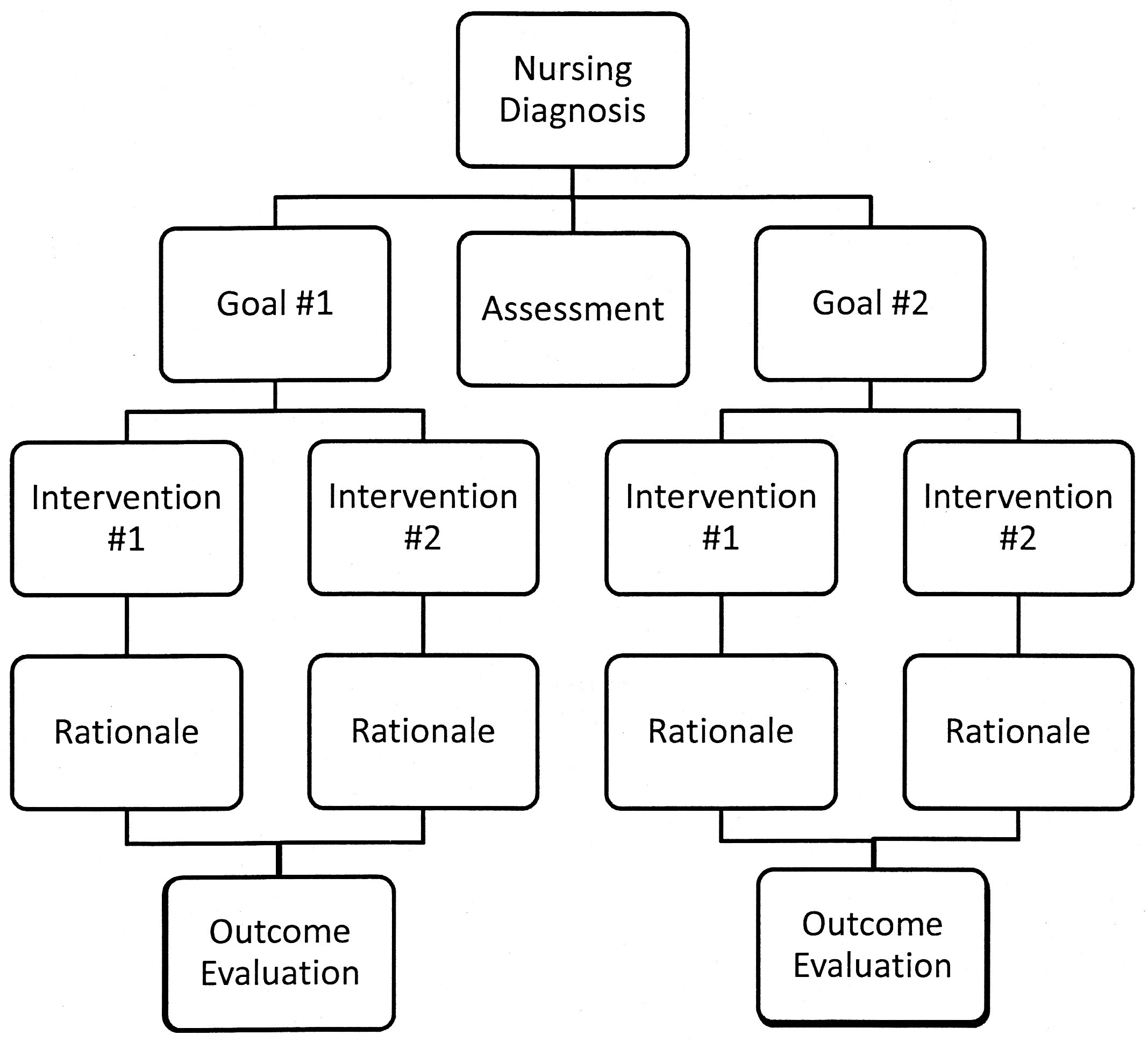
9. Identify the priority nursing diagnosis for Sara and Mary and appropriate nursing
interventions.