SophiaPretty
$14/per page/Negotiable
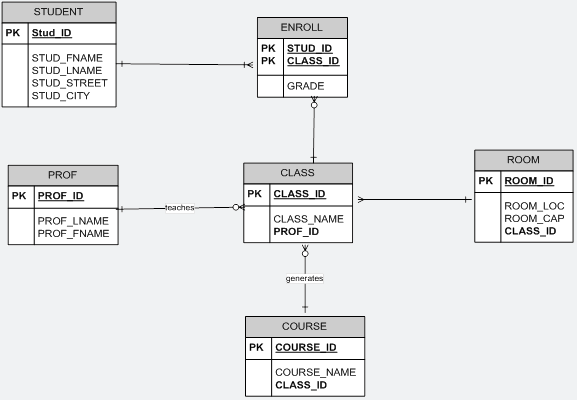
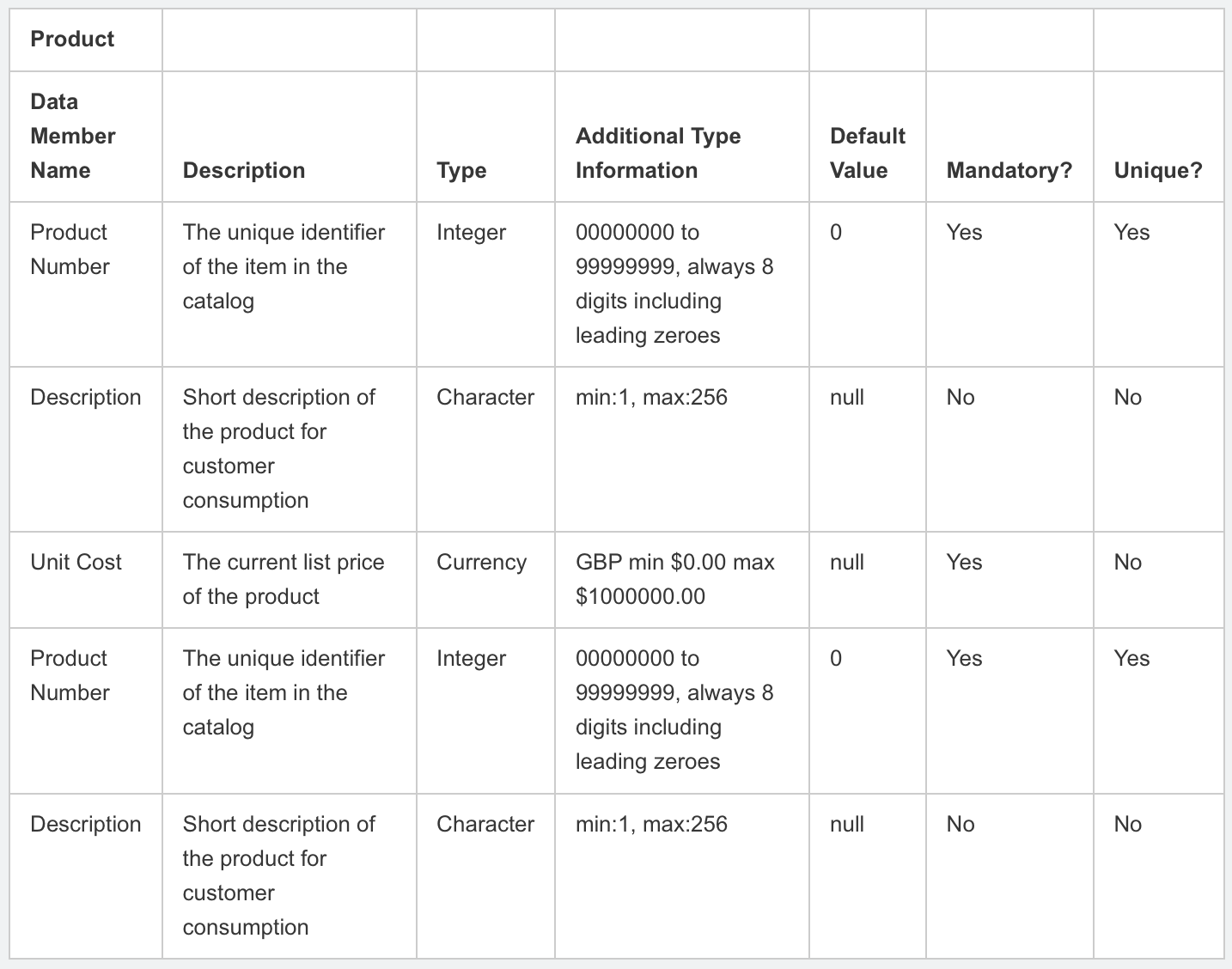
The assignment for the SLP is to create a Data Dictionary based on the ERD Teaching Professor example as noted below. The following Memorabilia Online Store Data Dictionary table is a guide to how a Data Dictionary is constructed.
In the Memorabilia Data Dictionary, the default value field consists of a null value when the information is not known. A character type is alpha text, which is used for names, descriptions, and anything related to alphabet letters. In the case of integers, currency, floating, and dates, the value could be zero or any number. A field is mandatory based on business rules established in the database. A field is unique to a “Yes” value in order to identify the primary and foreign keys.
An item in the catalog of products available for purchase by a customer (See Table 1)
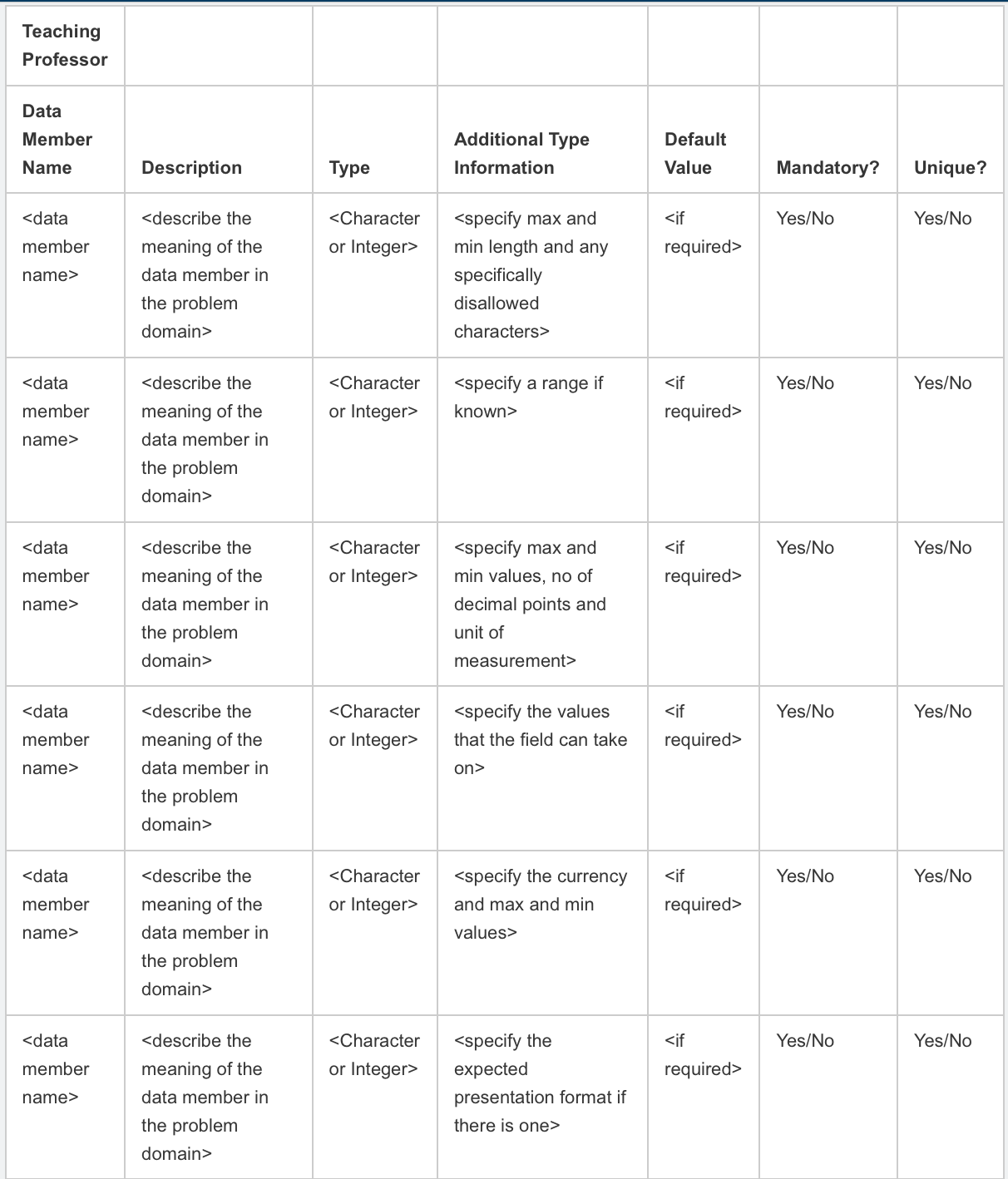
Table 2 provides a template for the use of a Data Dictionary in new systems development. It has the standard format for loading data element information into a Metadata Database Repository (MDR). This template not only defines the required format and content for the Data Dictionary, but it can also be used as a checklist to define all entities in the data model.
SLP Assignment Expectations:
Create a Data Dictionary for the ERD Teaching Professor example given here. Use the Memorabilia Online Store Data Dictionary format as a guide. The blank template should be used to identify the data member names by entering the name of each of the six entities in the ERD. Each row should have an entity with description, type, information, value, etc. For this example, business rules are entity relationships. Please note that foreign keys (FK) form the association between two entities. A primary key (PK) is identified as the first attribute in an entity, and the foreign key is in bold as the last attribute within an entity.
ERD Teaching Professor Example